


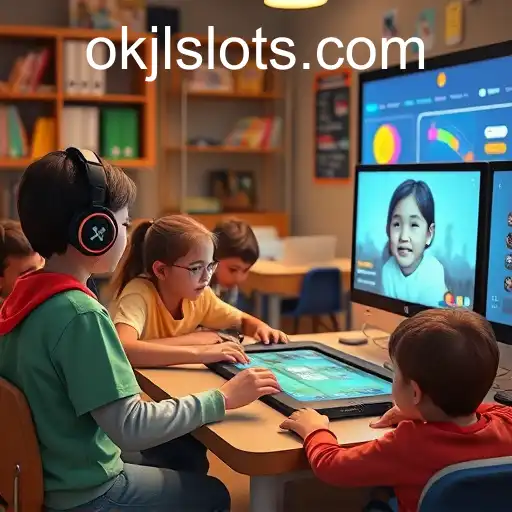
Exploring the integration of gaming websites like OKJL into educational settings, highlighting their potential and challenges.
In recent years, the convergence of technology, entertainment, and education has led to innovative methods of learning and engagement. One notable example is the rising popularity of educational gaming websites such as OKJL, which are increasingly being integrated into classrooms and curriculums around the world. These platforms offer a unique blend of entertainment and learning, making education more engaging and dynamic for students.
Teachers and educators have long sought methods to capture the interest and imagination of their students, and the integration of gaming into education has shown promising results. Websites like OKJL allow students to learn through interactive play, promoting a hands-on approach that can lead to improved retention and understanding of complex subjects.
Despite the potential benefits, integrating gaming into educational contexts is not without its challenges. Critics argue that reliance on such platforms could lead to decreased face-to-face interactions and a potential over-reliance on technology for instructional delivery. Additionally, ensuring that the games remain educational rather than purely entertaining poses an ongoing challenge for developers and educators alike.
Proponents of educational gaming advocate for its potential to democratize access to learning. With engaging content that can be tailored to various skill levels, games on platforms like OKJL break down traditional barriers to education, reaching students who may struggle within the confines of conventional teaching methods.
As we continue to navigate the digital age, the role of gaming websites in education will likely expand and evolve. With the right balance, platforms such as OKJL could play a pivotal role in shaping the future of learning, offering an innovative pathway to knowledge acquisition and skill development.

